
Exploring the realm of 10 Daily Habits to Boost Your Physical and Mental Wellness, this introduction sets the stage for a journey towards improved well-being. With insights into the importance of daily routines, this guide aims to inspire positive lifestyle changes for a healthier and happier you.
As we delve deeper into the significance of physical exercise, healthy eating habits, mindfulness, quality sleep, hydration, stress management, social connections, time management, and self-care practices, you'll discover actionable tips and strategies to enhance your overall wellness.
Importance of Daily Habits
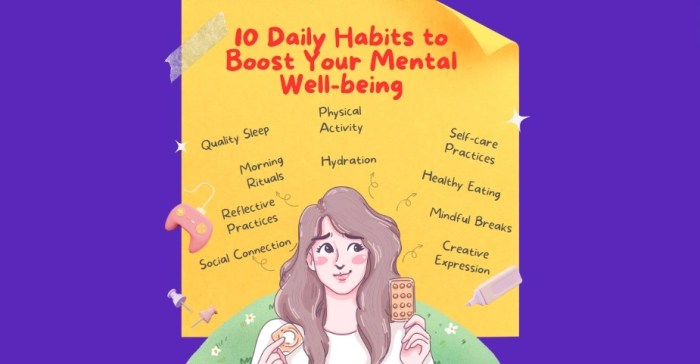
Establishing daily habits is crucial for maintaining overall physical and mental well-being. Consistency in our routines can have a significant impact on our health and mindset, leading to a better quality of life.
Impact on Overall Wellness
Consistent daily habits such as regular exercise, healthy eating, proper hydration, and sufficient sleep can improve physical health by boosting immunity, reducing the risk of chronic diseases, and enhancing overall fitness levels. On the mental wellness front, habits like mindfulness practices, journaling, setting goals, and practicing gratitude can help reduce stress, improve focus, enhance mood, and promote emotional well-being.
Benefits of Incorporating Consistent Habits
Incorporating consistent habits into your daily routine can lead to increased productivity, better time management, improved self-discipline, and enhanced self-confidence. By creating a structured daily routine, you are more likely to stay organized, achieve your goals, and maintain a healthy work-life balance.
Additionally, implementing positive habits can also help in forming a strong support system, fostering better relationships, and promoting a sense of fulfillment in various aspects of life.
Physical Exercise
Regular physical exercise plays a crucial role in improving both our physical and mental health. It helps in maintaining a healthy weight, reducing the risk of chronic diseases, boosting mood, and enhancing overall well-being.
Types of Exercises
- Aerobic Exercises: Activities like running, swimming, or cycling that increase the heart rate and improve cardiovascular health.
- Strength Training: Involves lifting weights or using resistance bands to build muscle strength and endurance.
- Flexibility Exercises: Stretching exercises that improve flexibility, range of motion, and reduce the risk of injuries.
- Balance Exercises: Exercises that help improve balance and prevent falls, especially important for older adults.
Tips for Staying Motivated
- Set Realistic Goals: Start with achievable goals and gradually increase intensity or duration.
- Find an Exercise Buddy: Working out with a friend can make exercising more enjoyable and hold you accountable.
- Try Different Activities: Keep things interesting by trying out new exercises or classes to prevent boredom.
- Reward Yourself: Celebrate your achievements with non-food rewards to stay motivated and on track.
Healthy Eating Habits
Maintaining a balanced and nutritious diet is essential for both physical and mental wellness. The food we consume plays a crucial role in providing us with the necessary nutrients to fuel our bodies and minds.
Importance of Balanced Nutrition
Eating a variety of foods from all food groups ensures that we get the essential vitamins, minerals, and macronutrients our bodies need to function optimally. A balanced diet can help prevent chronic diseases, improve energy levels, and support overall well-being.
- Include plenty of fruits and vegetables in your meals to boost your intake of fiber, vitamins, and antioxidants.
- Incorporate lean proteins such as poultry, fish, tofu, and legumes to support muscle growth and repair.
- Choose whole grains like quinoa, brown rice, and oats over refined grains for sustained energy levels.
- Healthy fats from sources like avocados, nuts, seeds, and olive oil are important for brain health and hormone production.
Planning and Preparing Healthy Meals
Planning ahead can help you make better food choices and avoid impulsive, unhealthy meals. Consider meal prepping at the beginning of the week to ensure you have nutritious options readily available.
- Make a grocery list based on your meal plan to avoid unnecessary purchases of unhealthy foods.
- Cook in batches and store meals in portioned containers for easy grab-and-go options during busy days.
- Experiment with different recipes and cooking methods to keep meals interesting and enjoyable.
- Stay hydrated by drinking plenty of water throughout the day and limit sugary beverages.
Mindfulness and Meditation
Mindfulness practices and meditation are powerful tools that can greatly enhance mental well-being. By incorporating these practices into your daily routine, you can reduce stress, improve focus, and cultivate a sense of inner peace.
Meditation Techniques and Benefits
- Mindfulness Meditation: Focuses on being present in the moment, observing thoughts and emotions without judgment. Benefits include reduced anxiety, improved emotional regulation, and increased self-awareness.
- Guided Meditation: Involves following a recorded or live guide to lead you through a meditation practice. Benefits include stress reduction, relaxation, and mental clarity.
- Transcendental Meditation: Involves silently repeating a mantra to help achieve a state of relaxed awareness. Benefits include reduced blood pressure, improved focus, and increased creativity.
Tips for Incorporating Mindfulness
- Start with short sessions: Begin with just a few minutes of meditation each day and gradually increase the duration as you become more comfortable.
- Choose a quiet space: Find a peaceful environment where you can meditate without distractions to enhance your focus and relaxation.
- Practice gratitude: Take time to reflect on things you are grateful for during your meditation practice to cultivate a positive mindset.
- Use mindfulness reminders: Set reminders throughout your day to pause and practice mindfulness, whether it's taking deep breaths or simply observing your surroundings.
Quality Sleep
Quality sleep plays a vital role in promoting both physical and mental health. It is during sleep that our bodies repair and rejuvenate, helping to boost our immune system, regulate hormones, and improve cognitive function.
Tips for Improving Sleep Quality and Establishing a Bedtime Routine
- Avoid stimulants like caffeine and nicotine close to bedtime.
- Create a relaxing bedtime routine to signal to your body that it's time to wind down.
- Ensure your sleep environment is conducive to rest - cool, dark, and quiet.
- Avoid screens (phones, tablets, computers) at least an hour before bed as the blue light can disrupt sleep.
- Try to go to bed and wake up at the same time every day to regulate your body's internal clock.
Impact of Consistent Sleep Patterns on Overall Wellness
Consistent sleep patterns have a profound impact on overall wellness. When we prioritize quality sleep and establish healthy sleep habits, we are more likely to experience improved mood, better concentration, enhanced memory, and lower levels of stress and anxiety. Moreover, proper sleep is linked to a reduced risk of chronic diseases such as heart disease, diabetes, and obesity.
Hydration
Staying hydrated is crucial for both physical and mental well-being. Our bodies require water to function properly, and dehydration can lead to various health issues. It is essential to maintain proper hydration levels throughout the day to ensure optimal performance.
Daily Water Intake Guidelines
- On average, it is recommended to drink about 8-10 cups of water per day.
- Factors such as age, weight, activity level, and climate can affect individual water needs.
- Monitoring the color of your urine can be a simple way to check your hydration status - clear or light-colored urine indicates proper hydration.
Benefits of Proper Hydration
- Improves physical performance and endurance.
- Helps regulate body temperature and prevent overheating.
- Aids in digestion and nutrient absorption.
- Supports cognitive function and concentration.
Tips for Adequate Hydration
- Carry a reusable water bottle with you throughout the day as a reminder to drink water regularly.
- Set specific hydration goals and track your water intake using apps or journals.
- Incorporate hydrating foods such as fruits, vegetables, and soups into your meals.
- Avoid excessive consumption of caffeinated or alcoholic beverages, as they can contribute to dehydration.
Stress Management
Managing stress is crucial for maintaining overall well-being as it can impact both physical and mental health. High levels of stress can lead to various health issues, including heart disease, anxiety, and depression. By incorporating stress management techniques into your daily routine, you can improve your quality of life.
Techniques for Reducing Stress Levels Daily
- Practice deep breathing exercises to calm the mind and body.
- Engage in physical activity such as yoga or walking to release tension.
- Try mindfulness techniques like meditation to increase self-awareness and reduce stress.
- Establish boundaries and learn to say no to avoid taking on too much.
- Connect with loved ones for support and social interaction.
Significance of Stress Management for Physical and Mental Health
Effectively managing stress not only helps prevent the development of chronic conditions but also improves existing health conditions. By reducing stress levels, individuals can experience better sleep, enhanced focus, and a stronger immune system. Overall, stress management plays a key role in promoting overall physical and mental wellness.
Social Connections
Building and maintaining social connections play a crucial role in enhancing our mental wellness. These relationships provide a sense of belonging, support, and companionship, which are vital for overall health and well-being.
Impact of Social Connections on Mental Wellness
Social connections have a profound impact on our mental wellness by reducing feelings of loneliness, anxiety, and depression. When we have strong relationships with friends, family, or community members, we feel happier, more secure, and better able to cope with life's challenges.
Importance of Nurturing Relationships for Overall Health
- Regular social interactions help boost self-esteem and confidence.
- Having a support system in place can alleviate stress and improve our ability to manage emotions.
- Strong social connections have been linked to a longer lifespan and better physical health.
Tips on Maintaining and Building Social Connections Daily
- Reach out to a friend or family member through a phone call, text, or video chat.
- Join a club, group, or community organization to meet new people with similar interests.
- Schedule regular social activities such as coffee dates, walks, or game nights to stay connected.
- Practice active listening and show genuine interest in others during conversations.
- Volunteer for a cause you care about to meet like-minded individuals and make a positive impact on your community.
Time Management
Effective time management plays a crucial role in reducing stress levels and boosting overall productivity. By organizing daily tasks efficiently and prioritizing responsibilities, individuals can create a sense of control over their time, leading to a more balanced and fulfilling life.
Strategies for Organizing Daily Tasks and Prioritizing Responsibilities
- Use a planner or digital calendar to schedule tasks and appointments.
- Break down larger tasks into smaller, manageable steps.
- Prioritize tasks based on urgency and importance.
- Avoid multitasking and focus on one task at a time.
- Allocate specific time blocks for different activities, including work, exercise, relaxation, and socializing.
Tips for Creating a Balanced Daily Schedule for Enhanced Wellness
- Include time for physical exercise to boost energy levels and improve mental clarity.
- Allocate time for healthy meals and snacks to nourish the body and mind.
- Incorporate mindfulness and meditation practices to reduce stress and promote relaxation.
- Ensure adequate time for quality sleep to support overall well-being.
- Make time for social connections to foster a sense of community and belonging.
Self-care Practices
Self-care plays a crucial role in maintaining our physical and mental well-being. It involves taking the time to prioritize our own needs, recharge our energy, and nurture our overall health. By incorporating self-care activities into our daily routines, we can reduce stress, improve our mood, and boost our overall quality of life.
Importance of Self-care
Self-care is essential for maintaining a healthy work-life balance and preventing burnout. It allows us to recharge and rejuvenate, leading to increased productivity and better focus. By taking care of our own needs, we are better equipped to handle the challenges and demands of daily life.
- Engage in activities that bring you joy and relaxation, such as reading a book, taking a bubble bath, or going for a walk in nature.
- Practice mindfulness and meditation to calm the mind and reduce stress levels.
- Make time for hobbies and interests that you are passionate about, whether it's painting, gardening, or playing a musical instrument.
- Prioritize quality sleep by establishing a bedtime routine and creating a restful sleep environment.
Tips for Prioritizing Self-care
Setting aside time for self-care can sometimes feel challenging amidst our busy schedules. However, prioritizing self-care is crucial for our overall well-being. Here are some tips to help you make self-care a priority:
- Schedule self-care activities in your calendar and treat them as non-negotiable appointments.
- Set boundaries and learn to say no to commitments that drain your energy and time.
- Practice self-compassion and remind yourself that taking care of your needs is not selfish but necessary for your health.
- Start small by incorporating short self-care activities into your daily routine, such as taking a few minutes to practice deep breathing exercises or going for a short walk during your lunch break.
Outcome Summary
In conclusion, embracing these 10 daily habits can lead to a transformative impact on your physical and mental wellness. By incorporating these practices into your routine, you pave the way for a healthier lifestyle filled with vitality and balance. Start your journey towards a better you today!
Essential Questionnaire
How do daily habits impact overall wellness?
Establishing daily habits plays a crucial role in maintaining physical and mental well-being by providing structure, consistency, and positive routines that contribute to a healthier lifestyle.
What are some examples of self-care practices?
Self-care practices can include activities such as meditation, journaling, exercise, spending time in nature, or engaging in hobbies that bring joy and relaxation. These practices help promote mental and emotional well-being.
Why is quality sleep important for physical and mental health?
Quality sleep is essential for the body and mind to rest, repair, and recharge. It supports cognitive function, mood regulation, immune system health, and overall well-being.

