
Exploring the transformative impact of wellness centers on the future of healthcare sets the stage for a fascinating journey. From preventive care to innovative practices, the realm of wellness centers is reshaping the landscape of healthcare in remarkable ways.
Importance of Wellness Centers in Healthcare Transformation
Wellness centers play a crucial role in reshaping the future of healthcare by focusing on preventive care and overall well-being. These centers provide a holistic approach to health, addressing not only physical but also mental and emotional well-being.
Contribution to Preventive Care
Wellness centers offer various preventive services such as health screenings, vaccinations, and lifestyle counseling. By promoting healthy habits and early detection of potential health issues, these centers help individuals take proactive steps towards maintaining their well-being.
Impact on Healthcare Costs
By emphasizing prevention and early intervention, wellness centers help reduce the burden on the healthcare system. Preventing chronic conditions or addressing them at an early stage can lead to significant cost savings in terms of treatments and hospitalizations. This proactive approach ultimately contributes to lowering overall healthcare costs.
Improving Patient Outcomes
Wellness centers focus on empowering individuals to take control of their health through education, support, and personalized care plans. By fostering a collaborative relationship between patients and healthcare providers, these centers improve patient engagement and adherence to treatment plans, resulting in better health outcomes and quality of life.
Integration of Holistic Practices in Wellness Centers
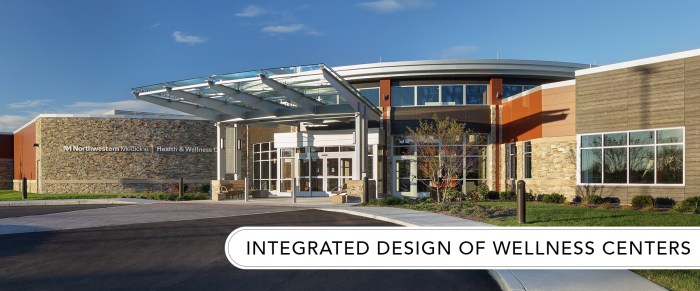
Holistic practices such as yoga, meditation, and acupuncture are becoming increasingly integrated into wellness centers to provide a comprehensive approach to healthcare. These practices focus on treating the whole person, including mind, body, and spirit, rather than just addressing specific symptoms or illnesses.
Comparison of Traditional Healthcare Services and Holistic Practices
- Traditional healthcare services often rely on medications or surgical interventions to treat specific health conditions, while holistic practices focus on prevention and overall well-being.
- Wellness centers offer a range of holistic services that complement traditional medical treatments, including nutritional counseling, stress management techniques, and alternative therapies.
- Unlike traditional healthcare, holistic practices emphasize the importance of lifestyle changes, self-care, and patient empowerment in promoting long-term health and wellness.
Benefits of Integrating Holistic Practices into Mainstream Healthcare
- Improved patient outcomes: By addressing the root causes of illness and promoting overall wellness, holistic practices can lead to better health outcomes and reduced healthcare costs.
- Enhanced patient experience: Holistic approaches often focus on individualized care, active patient participation, and a more personalized treatment plan, leading to a more positive patient experience.
- Preventative care: Holistic practices emphasize preventive measures and lifestyle modifications, which can help individuals maintain good health and reduce the risk of chronic diseases.
Patient-Centric Care Model at Wellness Centers
Patient-centric care model implemented by wellness centers focuses on putting the patient at the center of their healthcare journey. This approach ensures that individuals receive personalized care that meets their unique needs and preferences, promoting a sense of empowerment and involvement in their own health.
Individualized Care and Patient Empowerment
Wellness centers prioritize individualized care by taking into account each patient's specific health goals, preferences, and values. This may involve creating customized treatment plans, offering holistic therapies tailored to individual needs, and providing education and resources to help patients make informed decisions about their health.Examples of patient empowerment in wellness centers include shared decision-making between patients and healthcare providers, access to health information and resources, and opportunities for patients to actively participate in their care.
By involving patients in the decision-making process and empowering them to take control of their health, wellness centers promote a sense of ownership and responsibility for their well-being.
Advantages of a Patient-Centric Approach
A patient-centric approach in wellness centers has been shown to improve health outcomes by enhancing patient engagement, adherence to treatment plans, and overall satisfaction with care. When patients feel heard, respected, and involved in their care, they are more likely to follow through with recommended treatments, leading to better health outcomes and quality of life.Furthermore, patient-centric care can help build trust and rapport between patients and healthcare providers, leading to stronger therapeutic relationships and improved communication.
This can result in more effective care coordination, better management of chronic conditions, and a higher level of patient satisfaction with their overall healthcare experience.Overall, the patient-centric care model adopted by wellness centers plays a crucial role in transforming the healthcare landscape by prioritizing the individual needs and preferences of patients, empowering them to take an active role in their health, and ultimately improving health outcomes and patient satisfaction.
Technology and Innovation in Wellness Centers
Wellness centers are at the forefront of utilizing technology and innovation to improve patient care and outcomes. By leveraging advancements in healthcare technology, wellness centers are able to enhance the overall patient experience and provide more accessible care options.
Leveraging Technology for Remote Monitoring and Telehealth Services
Wellness centers are increasingly incorporating remote monitoring and telehealth services into their practice. This allows patients to receive care from the comfort of their own homes, reducing the need for in-person visits and improving convenience. Through telehealth services, patients can consult with healthcare providers, receive medical advice, and even undergo virtual appointments, all contributing to a more efficient and patient-centered care model.
Use of Wearable Devices and Health Apps
Many wellness centers are encouraging the use of wearable devices and health apps to promote wellness and track progress. These tools enable individuals to monitor their physical activity, track their sleep patterns, and even manage their stress levels. By empowering patients to take control of their health through technology, wellness centers are promoting a proactive approach to healthcare and encouraging healthier lifestyles.
Innovation Enhancing Patient Experience and Accessibility to Care
Innovation in wellness centers goes beyond just technology, encompassing a holistic approach to patient care. From personalized treatment plans to integrated services like nutrition counseling and mental health support, wellness centers are redefining the healthcare experience. By focusing on the individual needs of each patient and providing comprehensive care options, wellness centers are paving the way for a more patient-centric and inclusive healthcare system.
Outcome Summary
As we conclude this insightful discussion on the evolving role of wellness centers in healthcare, one thing is clear: the future holds promising developments as these centers continue to prioritize patient-centric care and embrace cutting-edge technologies. The horizon of healthcare is undoubtedly being shaped by the progressive ethos of wellness centers.
Expert Answers
How do wellness centers contribute to preventive care?
Wellness centers emphasize proactive measures like regular check-ups, lifestyle counseling, and health education to prevent illnesses before they occur.
What are some examples of holistic practices offered at wellness centers?
Examples include yoga for physical and mental well-being, meditation for relaxation and stress reduction, and acupuncture for pain management.
How does a patient-centric care model benefit individuals at wellness centers?
By focusing on individualized care and empowering patients to make informed decisions about their health, wellness centers enhance health outcomes and overall satisfaction.

